
Upgrading to leather automotive upholstery is one of the most noticeable and valuable improvements you can make to your vehicle’s interior. Whether you drive a work truck, a family SUV, or a restored classic, professionally installed leather automotive upholstery changes the way your vehicle feels every time you open the door. Many drivers initially consider leather because their cloth seats are worn, stained, or faded from years of use. Others simply want a more refined and comfortable driving experience. What most people do not realize is how much craftsmanship and precision go into a proper leather automotive upholstery installation.
When done correctly, leather automotive upholstery is not just about appearance. It enhances durability, improves ease of maintenance, increases comfort, and can significantly raise the resale value of your vehicle. In Northern Nevada, where sun exposure, dust, and seasonal temperature swings are constant factors, material quality and installation technique matter even more. A professional installation ensures that your investment holds up under daily use while maintaining a factory-level finish. Understanding the process helps you appreciate why professional leather automotive upholstery stands apart from simple seat covers.
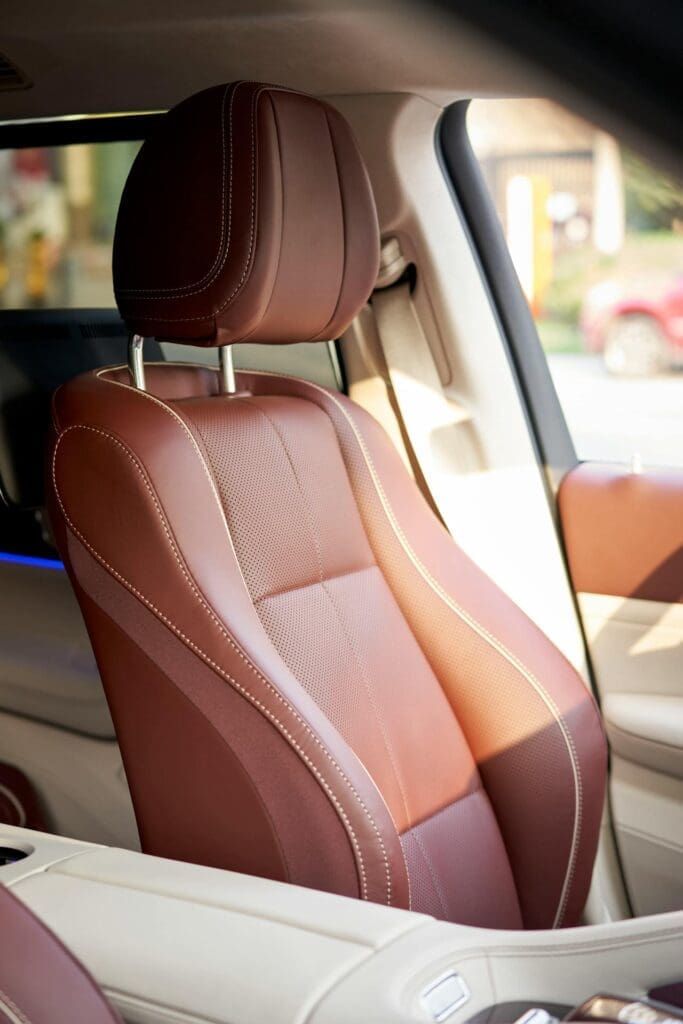
Understanding the Different Grades of Leather Automotive Upholstery
One of the first steps in a leather automotive upholstery installation is selecting the right grade of leather. Not all leather used in automotive interiors is the same, and the quality of the hide directly affects durability, comfort, and long-term performance. Full-grain leather is considered the highest quality option because it uses the strongest outer layer of the hide and retains its natural texture. This type of leather automotive upholstery offers exceptional strength and develops character over time without sacrificing durability.
Top-grain leather is another premium option frequently used in leather automotive upholstery projects. It is slightly refined to remove natural imperfections while maintaining strength and flexibility. Many vehicle owners choose top-grain leather because it balances luxury appearance with long-term resilience. It provides a smooth, refined feel while holding up well to frequent entry and exit.
Corrected-grain leather is often used in more budget-conscious leather automotive upholstery installations. This leather is sanded and embossed to create a uniform texture, offering consistent appearance at a lower cost. While it may not have the same natural depth as full-grain leather, it still significantly outperforms cloth in durability and ease of cleaning. Choosing the right grade depends on how you use your vehicle and how long you expect the interior to last.
The Comfort of Leather Automotive Upholstery
One of the most immediate differences drivers notice after upgrading to leather automotive upholstery is comfort. High-quality leather provides a smooth, supportive surface that adapts slightly to your body over time. Unlike cloth, which compresses unevenly and can feel rough after years of use, leather maintains structural integrity while remaining supple. When installed over properly conditioned seat foam, leather automotive upholstery offers both firmness and flexibility.
During a professional leather automotive upholstery installation, the seat foam is inspected and restored if necessary. Worn foam can be reshaped or replaced to ensure optimal support before the new leather is fitted. This step plays a major role in long-term comfort and prevents sagging that can occur with neglected interiors. A properly installed leather seat feels supportive without being stiff and retains that comfort for years.
Another comfort advantage of leather automotive upholstery is reduced friction when entering and exiting the vehicle. Cloth seats often grip clothing and cause wear along the bolsters, but leather provides a smoother transition. Over time, this reduces material stress and enhances daily usability. The result is an interior that feels refined every time you drive.
Is Leather Automotive Upholstery Easy to Clean?
Ease of maintenance is one of the strongest reasons vehicle owners choose leather automotive upholstery. Cloth seats tend to absorb spills quickly, trapping moisture and odors within the fibers. Once stained, fabric can be extremely difficult to restore without professional cleaning. Leather automotive upholstery, on the other hand, provides a sealed surface that allows most spills to remain on top long enough to wipe away.
Routine maintenance for leather automotive upholstery typically involves wiping with a damp cloth and applying conditioner periodically. Conditioning prevents drying and cracking, particularly in Northern Nevada’s dry climate. For work trucks or vehicles exposed to dust and dirt, leather offers a significant advantage because debris does not embed deeply into the surface. Cleaning takes minutes instead of hours, making leather a practical choice for busy drivers.
In addition to resisting spills, leather automotive upholstery holds less odor than cloth interiors. Fabric seats can trap food smells, sweat, and moisture, while leather is far less porous. This keeps the interior fresher over time and reduces the need for deep cleaning treatments. For many drivers, this convenience alone justifies the upgrade.
Temperature Adaptability in Northern Nevada
A common question about leather automotive upholstery is whether it becomes too hot in summer or too cold in winter. While leather does respond to temperature changes, modern automotive-grade leather is treated and installed to perform well in varying climates. In Reno and Carson City, where summer heat and winter cold are both realities, proper installation and quality materials make a noticeable difference.
High-quality leather automotive upholstery is more temperature adaptive than many people expect. Unlike vinyl, which can feel stiff and extreme in fluctuating temperatures, leather maintains a degree of breathability and flexibility. When combined with properly supported foam, leather provides insulation that moderates surface feel. Heated seat systems integrate seamlessly with leather and distribute warmth efficiently during colder months.
Window tinting and sun protection can further enhance the performance of leather automotive upholstery in hot weather. With simple precautions, leather remains comfortable year-round. Drivers who upgrade often report that the perceived temperature difference is far less dramatic than anticipated.
The Professional Leather Automotive Upholstery Installation Process
A professional leather automotive upholstery installation involves several careful steps that ensure a factory-quality result. Technicians begin by removing the seats from the vehicle to gain full access. The original upholstery is carefully detached, exposing the foam beneath. This stage allows the installer to inspect the seat structure and correct any underlying issues before new leather is applied.
Once the seat base is prepared, the leather automotive upholstery is positioned and fitted inside out initially. Steam is used strategically to soften the leather, increasing flexibility and allowing precise molding over contours. This process ensures that seams align perfectly with the foam and that the material conforms without wrinkles. Hog rings and factory anchor points secure the leather tightly in place.
Precision is critical during this phase because improper tension can cause long-term wear. Each seam must sit exactly where intended to prevent stress points. Once secured, hardware components such as seatbelt openings and power seat controls are carefully integrated. The final result should appear indistinguishable from a factory-installed leather interior.
How Leather Automotive Upholstery Increases Vehicle Value
Beyond comfort and durability, leather automotive upholstery can increase your vehicle’s resale value. Buyers often perceive leather interiors as premium upgrades, which enhances overall vehicle appeal. Trucks and SUVs equipped with leather seats typically command higher resale prices compared to similar cloth-equipped models. The upgrade signals that the vehicle has been well maintained and thoughtfully improved.
For work vehicles, leather automotive upholstery suggests durability and professionalism. For personal vehicles, it adds a sense of refinement and luxury. In many cases, the resale increase can offset a substantial portion of the installation cost. Even if you plan to keep your vehicle long term, maintaining interior condition protects its overall value.
A professionally installed leather interior stands apart from aftermarket seat covers. Buyers can recognize quality craftsmanship, and that recognition translates into stronger resale potential. Leather automotive upholstery is both an aesthetic and financial upgrade.
Long-Term Durability of Leather Automotive Upholstery
When properly installed and maintained, leather automotive upholstery lasts significantly longer than cloth alternatives. Entry and exit friction does not cause fraying along the edges. Stitching remains secure when tensioned correctly during installation. UV-resistant treatments help reduce fading from prolonged sun exposure.
Professional installation prevents overstretching, which can weaken leather prematurely. By securing the material evenly across the seat frame, technicians ensure balanced wear over time. In Northern Nevada’s dry climate, occasional conditioning keeps the leather supple and prevents cracking. With basic care, leather interiors maintain their appearance for years.
Durability is one of the strongest reasons drivers choose leather automotive upholstery for trucks and daily drivers. The material is designed to withstand regular use without losing structure. Over time, leather often looks better than it did when first installed, developing character without sacrificing strength.
Making the Right Investment in Leather Automotive Upholstery
Upgrading to leather automotive upholstery is more than a cosmetic improvement. It enhances comfort, simplifies maintenance, increases resale value, and delivers long-term durability. The quality of materials and the precision of installation determine how well the interior performs over time. Choosing the right grade of leather ensures the upgrade aligns with your lifestyle and driving habits.
Professional leather automotive upholstery installation ensures every seam, anchor point, and hardware component fits exactly as intended. It prevents premature wear and delivers a refined, factory-level appearance. In Northern Nevada’s demanding climate, proper installation protects your investment from sun exposure and seasonal temperature changes.
If you are considering leather automotive upholstery for your vehicle, working with experienced professionals ensures lasting results. A well-installed leather interior transforms not just the look of your vehicle, but the way it feels every time you drive.
